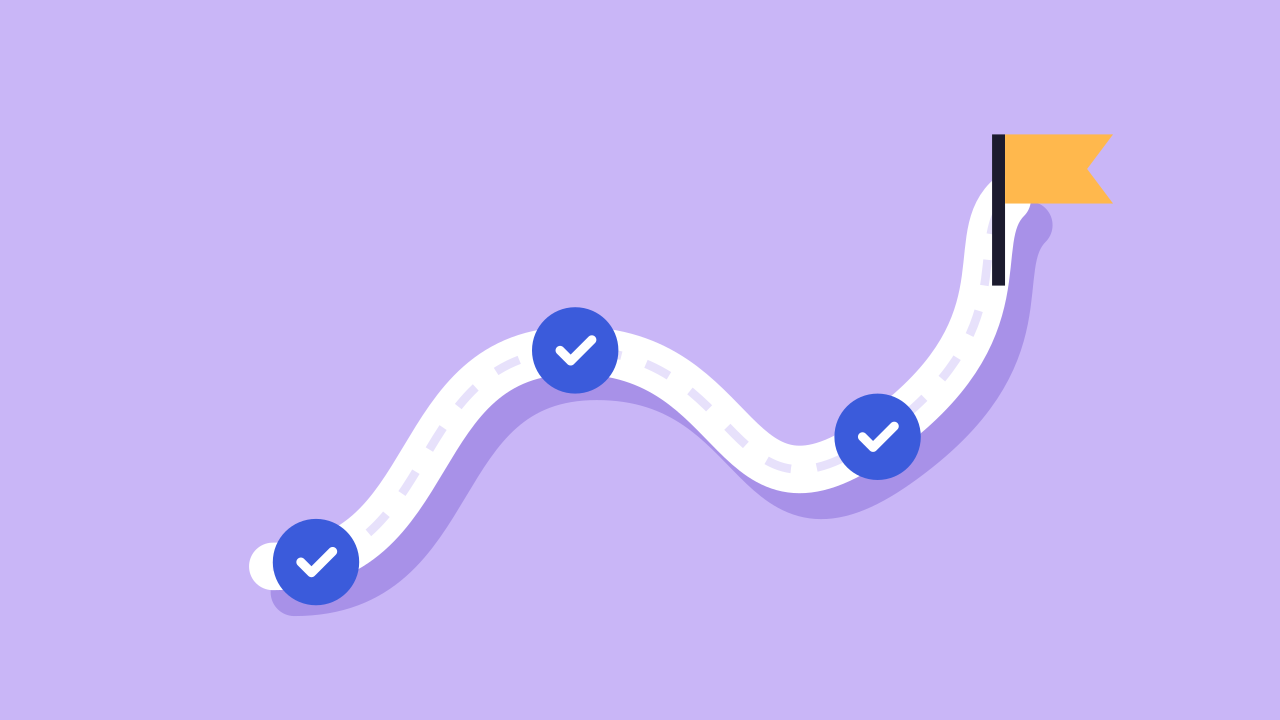
Porn Recovery Timeline: What Changes in the First 90 Days
Every recovery is different, but most people go through the same stages, and most attempts fall apart at the same two points. This is all of it in one place, week by week.
If you only remember one thing, make it this: most people who restart the count do it in week two or around week eight. Neither of those is a sign that quitting does not work for you. They are just the two places where it gets hard.
What porn does to your brain
Porn hits your brain's reward system harder than anything else in daily life. Here is what the studies show.
- It is a recognised condition. The World Health Organization added compulsive sexual behaviour disorder to its diagnostic manual, ICD-11. The key feature is a pattern of failing to control strong sexual urges for six months or more, despite trying to cut down and despite harm to your life.
- Porn changes the brain. A 2014 study of 64 men found that more hours of porn a week went with a smaller caudate, part of the brain's reward system, and weaker links to the area that handles self-control.
- Wanting and liking split apart. In a Cambridge study, people with compulsive sexual behaviour wanted explicit videos more than other people did, but did not like them any more. That gap is the experience of craving something that no longer feels good, and it is the same pattern seen in drug addiction.
- Some changes show up within weeks. In a 2015 experiment, people asked to give up porn for three weeks became more willing to wait for a bigger reward later, compared with people who gave up their favourite food instead.
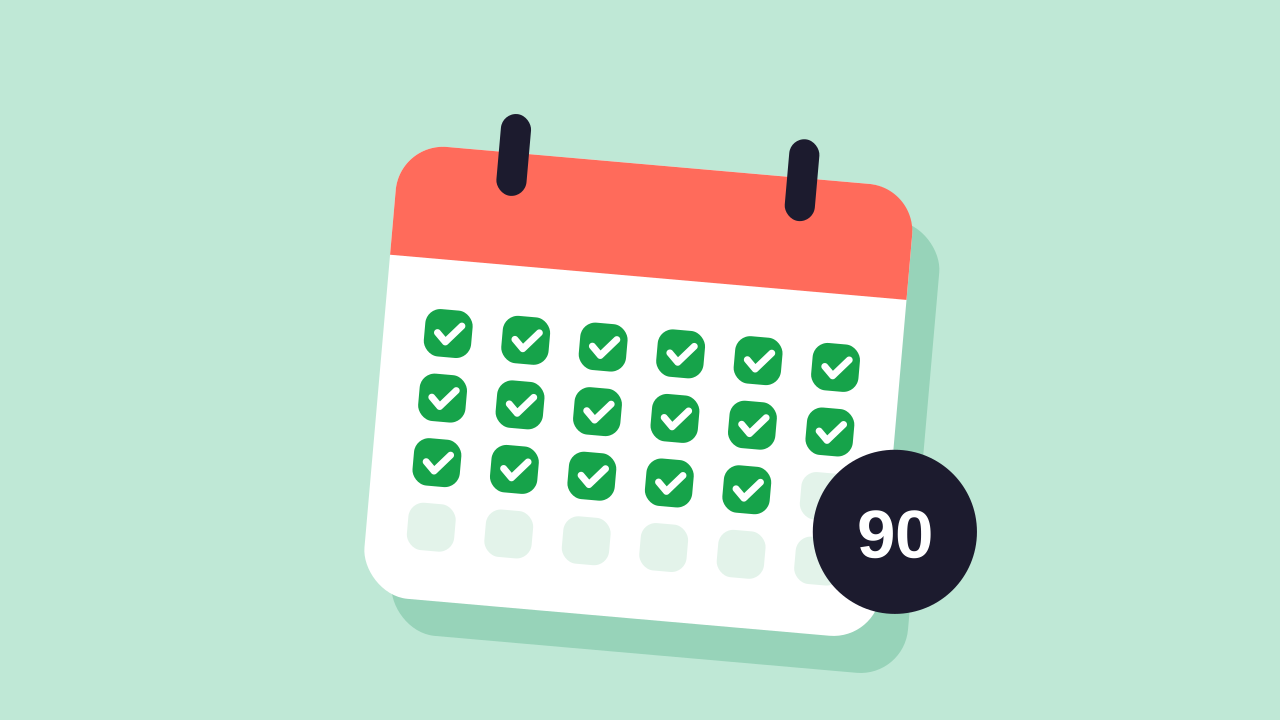
- New habits take about two months. In a well known habit study, a new daily behaviour took a median of 66 days to become automatic, with a range from 18 to 254 days. Missing a single day did not stop the habit forming.
Heavier use usually means a longer recovery. Treat the weeks below as a map.
Week 1: the hardest week, and the most motivated one
What people report: broken sleep, irritability, restlessness, and cravings that come in waves rather than all the time. Boredom and late evenings are the usual triggers. Some people also find their skin breaks out for a few weeks.
What helps: keep it simple, because you have less in the tank than usual. Take the phone out of the bedroom tonight. When a craving hits, write down the time and what was going on. Do not try to fix your whole life this week.
What to know: this is also the week you care most. Spend that motivation on changes that stay in place after the motivation fades, like removing the easy routes to porn on every device you own. Willpower will be lower in week two. The changes you make now will still be there.
Weeks 2 to 3: the flatline
What people report: low libido, sometimes none at all. Flat mood. Less interest in things you normally enjoy. Many describe it as feeling switched off rather than sad.
Most people who quit go through it, so prepare for it. How long yours lasts depends on how heavy your use was.
What helps: exercise, especially anything where you can see progress, because it gives you a result on a day when nothing else feels rewarding. Tell one person what you are going through. Do not judge whether recovery is working this fortnight, because your judgement of that is at its worst right now.
What to know: this is the first big relapse window, and it happens for one reason. Low libido gets read as permanent, and people go back to "check". It is not permanent. It is your brain healing. Checking resets the clock and puts you back at week one.
Weeks 4 to 6: patterns become visible
What people report: cravings come less often but hit harder and more suddenly, usually tied to a place or a time of day rather than general desire. Sleep usually settles. Vivid dreams are common.
What helps: read back your craving notes from week one. The pattern is usually much more specific than "stress". It tends to be something like the hour after a hard phone call, or Sunday afternoon alone. Once you know the real trigger, you can plan around it.
What to know: focus tends to come back before mood does. People who expected to feel good first are often surprised by that.
Weeks 7 to 12: the second danger zone
What people report: occasional urges with much less charge behind them. Mood evens out. Libido usually returns, and for many people it points back towards real partners rather than screens.
What helps: something to aim at. The time porn used to fill needs filling with something you actually want, or it fills itself back up.
What to know: this is the second relapse window, because you feel fine. The thought to watch for is "I've clearly fixed this, once won't matter." When you first catch yourself thinking you no longer need your blocks, write it down. That thought is the start of most late relapses.
After 90 days
Day 90 is not a finish line. By now the new routine is starting to feel normal, which matches the two months or so it takes for habits to set. Urges do not vanish completely, but they become rare and much easier to ignore. The people who stay free past this point are usually the ones who kept their setup in place, rather than the ones who decided they were cured.
If you slip
One slip is not the same as going back to old habits, and the difference is mostly what you do next. Addiction researchers call the trap the abstinence violation effect: the "I've blown it anyway" feeling that turns one lapse into a week of them.
After a slip, do three things the same day. Write down what led to it. Close the route you used, whether that was a browser, an app or a device you had not blocked. Then carry on. You do not lose everything you built. You lose the streak number, which was never the point.
Erection problems and the timeline
If you are quitting because of trouble with erections or orgasm with a partner, see a doctor first, because there are physical causes worth ruling out. A 2016 review with clinical reports described men whose erection problems cleared up after they quit or sharply cut back on internet porn. Our PIED recovery plan goes through it in detail.
When it is not withdrawal
"Wait it out" is bad advice for the wrong problem. See a doctor if you have:
- Persistent hopelessness, or any thoughts of harming yourself. That is not the flatline and should never be waited out.
- Low mood that is still severe at week eight or later.
- Anxiety that stops you working or leaving the house.
- Sexual problems that last well past three months.
The normal adjustment trends upwards over weeks. Something that is not getting better over months is a different problem, and it is treatable.
What decides whether you reach day 90
Almost nobody decides to give up on quitting. They have one bad night in week two or week eight, and the count resets. Getting through is less about willpower than about whether that one bad hour is allowed to decide things.
That is why the most useful thing you can do in week one is make porn unreachable on every device you use, with a block that you cannot switch off when the bad hour comes. QuitPorn sets a lock for a period you choose, from one day up to a year, and nobody can end it early. See the plans, or check where you are starting from with the free porn addiction test.
This is general information, not medical advice. For help with your own situation, talk to a doctor or therapist.
 The QuitPorn Team